Pakistan's current deal with the International Monetary Fund (IMF) has been a subject of much debate and discussion in the country. The deal, which was signed in 2019, has significant implications for Pakistan's economy and its people. In this article, we will examine the impact of the IMF deal on Pakistanis.
Pakistan has a history of turning to the IMF for financial assistance during times of economic crisis. The country's current IMF deal, which was signed in 2019, is worth $6 billion over a period of three years. The agreement includes a set of economic reforms and policy measures that Pakistan must implement in order to receive the funds.
One of the key goals of the IMF deal is to stabilize Pakistan's economy, which has been facing significant challenges in recent years. The country has been struggling with high inflation, a large trade deficit, and a mounting debt burden. The IMF deal includes a set of policy measures aimed at addressing these issues, including fiscal consolidation, monetary tightening, and structural reforms. The IMF deal has had both positive and negative impacts on Pakistan's economy.
On the positive side, the deal has helped to stabilize Pakistan's currency, the rupee, which had been depreciating rapidly prior to the agreement. The IMF funding has also helped to boost Pakistan's foreign exchange reserves, which had been dwindling prior to the deal. However, the IMF deal has also led to some negative impacts on Pakistan's economy. The policy measures required by the agreement have included significant cuts to government spending and subsidies, which have had an adverse impact on some of the country's most vulnerable populations. For example, the removal of subsidies on electricity and gas has led to an increase in the cost of living for many Pakistanis.
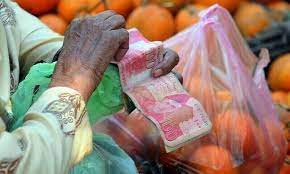
The IMF deal has had a significant impact on the daily lives of Pakistanis. The policy measures required by the agreement have led to a number of economic challenges for ordinary citizens, particularly those who are already struggling to make ends meet. One of the most significant impacts of the IMF deal has been on the cost of living. The removal of subsidies on electricity and gas has led to an increase in the cost of household utilities, making it more difficult for many Pakistanis to afford basic necessities.
The cost of food and other essential goods has also risen in recent years, further adding to the burden on households. The IMF deal has also had an impact on employment in Pakistan. The policy measures required by the agreement have included significant cuts to government spending and subsidies, which have led to job losses in certain sectors. For example, the removal of subsidies on agriculture has led to job losses in rural areas, where many people rely on agriculture for their livelihoods.
In conclusion, Pakistan's IMF deal has had significant implications for the country's economy and its people. While the agreement has helped to stabilize Pakistan's currency and boost its foreign exchange reserves, it has also led to significant cuts to government spending and subsidies, which have had an adverse impact on many Pakistanis.
The removal of subsidies on electricity and gas has led to an increase in the cost of living, while the cuts to government spending have led to job losses in certain sectors. As Pakistan continues to implement the policy measures required by the IMF deal, it will be important to ensure that the impact on ordinary citizens is carefully considered and addressed.
© Copyright 2022. All Rights Reserved.